
The NCT Cleanroom Academy
The global demand for high-technology manufacturing—spanning semiconductors, pharmaceuticals, aerospace, and optics—has driven an exponential need for controlled environments, or "cleanrooms." However, the physical infrastructure of a cleanroom, regardless of its capital cost or engineering sophistication, is rendered ineffective without the disciplined compliance of the personnel operating within it. Human error remains the single largest vector for contamination. Consequently, there is a robust commercial market for high-quality, standards-based training products that can transform laypersons into competent cleanroom operators.
Curriculum for beginners
The challenge in cleanroom training lies in the invisibility of the threat. Particles capable of destroying micro-circuitry or contaminating sterile injectables are often sub-visible, ranging from 0.1 μm to 5.0 μm. Training must therefore bridge the gap between the visible macro-world and the invisible micro-world.
-
Course 1. The Invisible World: Fundamentals of Cleanroom Technology.
-
Cource 2. The Microscopic Threat: Contamination Control Mastery
-
Course 3. The Human Factor: Behavioral Disciplines and Protocols.
-
Course 4. The Barrier Protocol: Gowning Protocols: Mastering the Cleanroom Barrier
-
Course 5. The Purity Maintenance: The Science of Cleaning and Disinfection
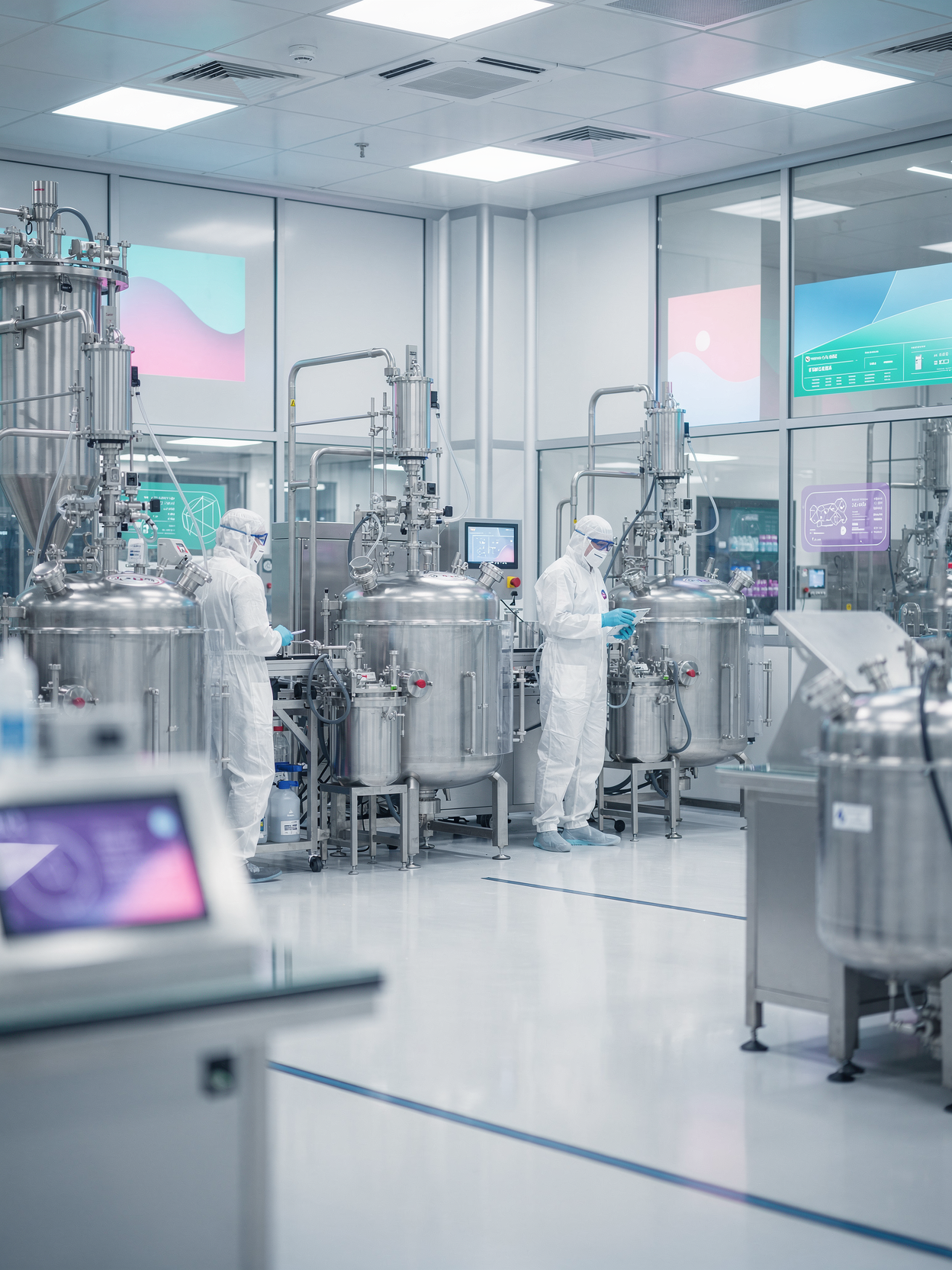
Advanced Professional Curriculum
Target Audience: Subject Matter Experts (SMEs), Decision Makers, and Industry Professionals.
Objective: Comprehensive technical training designed to deepen expertise in regulatory compliance, contamination control, and advanced manufacturing strategies.
Core Competencies & Cleanroom Technology
-
Cleanroom Design & Engineering: Layouts, pressure cascades, and material flow.
-
Cleanroom Operations Management: Daily workflows and personnel behavior.
-
Aseptic Processing & Transfer Techniques: Best practices for sterile manufacturing.
-
Isolator & RABS Technology: Operation and glove leak testing management.
-
Biosafety Cabinets (BSC) & Safety Devices: Proper handling and certification.
-
Airflow Visualization (Smoke Studies): Planning and executing airflow qualification.
-
HVAC Systems & HEPA Filtration: Functionality, testing, and compliance.
Contamination Control & Microbiology
-
Contamination Control Strategy (CCS) Workshops: Developing a holistic CCS per Annex 1.
-
Environmental Monitoring (EM) Mastery: Sampling plans, incubation, and trending data.
-
Cleaning Validation & Disinfection: Efficacy testing and rotation strategies.
-
Rapid Microbiological Methods (RMM): Implementing modern detection technologies.
-
Semiconductor Contamination Control: AMC (Airborne Molecular Contamination) and particle limits.
Strategic Compliance & Maintenance
-
Quality Risk Management (QRM): Applying FMEA and HACCP in production.
-
Qualification & Validation Mastery: IQ/OQ/PQ for critical equipment.
-
Preventive Maintenance Strategies: Moving from reactive to predictive maintenance.
-
Data Integrity in GxP: Ensuring ALCOA+ principles in automated systems.
-
Audit Readiness: Preparing for FDA, EMA, and ISO inspections.
Biosafety & Containment Devices
-
Biosafety Cabinet (BSC) Mastery: Detailed breakdown of Class I, II (Types A2, B1, B2), and III cabinets and their specific applications.
-
Fume Hood Technologies: Operational differences between Constant Air Volume (CAV), Variable Air Volume (VAV), and Ductless filtration hoods.
-
Certification & Compliance Standards: Deep dive into NSF/ANSI 49 (USA) and EN 12469 (Europe) field testing requirements.
-
HEPA/ULPA Filter Management: Theory of filtration, leak testing (PAO/DOP), and safe filter changing procedures (bag-in/bag-out).
-
Airflow Visualization in Containment: conducting smoke studies to verify containment performance during dynamic operating conditions.
-
Cytotoxic & Hazardous Drug Safety: Specialized training for handling potent compounds in isolators and BSCs.
-
Ergonomics & User Safety: Best practices for sash management, movement, and minimizing turbulence to protect the operator.
-
Exhaust System Integration: Understanding the interaction between building HVAC exhaust and containment device alarms.
Advanced Fume Hood Operations & Management
-
Fume Hood Architecture & Types: Distinguishing between Constant Air Volume (CAV), Variable Air Volume (VAV), and Low-Flow/High-Performance hoods.
-
Specialized Applications: Protocols for Perchloric Acid (wash-down systems) and Radioisotope hoods (lead shielding and reinforced floors).
-
ASHRAE 110 Performance Testing: Conducting the three-part test: Flow Visualization (smoke), Face Velocity measurement, and Tracer Gas containment testing.
-
Airflow Dynamics & Baffle Management: Adjusting rear baffles for light vs. heavy gases to optimize capture efficiency.
-
Ductless Fume Hood Filtration: Managing carbon filter saturation, breakthrough detection, and chemical compatibility charts.
-
VAV Control Systems: Understanding venturi valves, damper response times, and sash position sensors.
-
Face Velocity Profiling: Mapping cross-drafts and turbulence intensity at the sash opening.
-
Emergency Procedures: Response protocols for exhaust failure, fire in the hood, and power outages.
Sterilization & Decontamination Science
-
Steam Sterilization (Autoclave) Validation: Cycle development, load pattern definition, and thermal mapping (empty vs. loaded chamber).
-
Vaporized Hydrogen Peroxide (VHP/VPHP): Cycle development for room decontamination and isolator biodecontamination.
-
Depyrogenation Tunnels (Dry Heat): Validation of endotoxin destruction and heat penetration studies.
-
Ethylene Oxide (EtO) Processing: Cycle parameters, residual testing, and safety regulations for gas sterilization.
-
Radiation Sterilization: Understanding Gamma and E-Beam dosimetry and material compatibility.
-
Biological Indicators (BIs) & PCDs: Selection, placement strategies, and resisting handling of Process Challenge Devices.
-
Sterility Assurance Levels (SAL): Statistical concepts behind achieving and verifying $10^{-6}$ sterility.
-
Chemical Sterilants & Sporicides: Chemistry of disinfectants, rotation strategies, and validation of surface efficacy.
Semiconductor & Microelectronics
-
AMC (Airborne Molecular Contamination) Control: Monitoring and filtering volatile organic compounds (VOCs), acids, and bases.
-
Nano-scale Particle Management: Detection and removal of particles <20nm, utilizing condensation particle counters (CPCs).
-
Static Control (ESD) in Cleanrooms: Ionization systems, grounding protocols, and material selection to prevent yield loss.
-
Photolithography Process Hygiene: Specific contamination controls for yellow rooms and photoresist application areas.
-
High-Purity Gas & Chemical Distribution: Maintaining purity from bulk supply to point-of-use (POU).
-
Vacuum Chamber Protocols: Cleanliness standards, pump maintenance, and load lock procedures.
-
Wafer Handling & FOUP Management: Automated material handling systems (AMHS) and Front Opening Unified Pod cleaning strategies.
-
CMP (Chemical Mechanical Planarization) Cleanliness: Slurry management and post-CMP cleaning verification.
Medical Device Manufacturing
-
ISO 13485 Quality Management Systems: Implementation and audit preparation specifically for cleanroom environments.
-
Sterile Barrier Packaging: Tyvek® sealing validation, burst testing, and dye penetration tests (ISO 11607).
-
Biocompatibility Testing: Understanding ISO 10993 requirements for materials contacting the human body.
-
Cleanroom Assembly Protocols: Manual vs. automated assembly techniques to minimize bioburden.
-
UDI (Unique Device Identification): Labeling, tracking, and database submission requirements.
-
Process Validation (IQ/OQ/PQ): Validating injection molding, extrusion, and bonding processes.
-
Post-Market Surveillance: Handling complaints, CAPA (Corrective and Preventive Actions), and recalls.
-
Device Cleaning & Passivation: Validating the removal of manufacturing residues (oils, polishing compounds) from implants.
Cleaning, Disinfection & Contamination Control
-
Chemistry of Cleaning Agents: Understanding surfactants, chelating agents, and pH regarding residue removal.
-
Disinfectant Validation (Coupons): Designing efficacy studies using specific facility surface materials and local flora.
-
Residue Management: Visual inspection and chemical limits for detergent residues (TOC/Conductivity).
-
Biofilm Remediation: Detection strategies and shock treatment protocols for water systems and wet surfaces.
-
Fogging & Whole-Room Decontamination: Application of VHP or aerosolized disinfectants for facility shutdowns.
-
Mop & Wipe Protocols: Proper folding techniques (16-sided wipe), overlapping strokes, and bucket system management (2-bucket/3-bucket).
-
Gown & Garment Management: Laundering validation, lifecycle tracking, and gowning qualification.
-
Spill Response in Cleanrooms: Protocols for cleaning hazardous and biological spills without compromising room pressure or sterility.
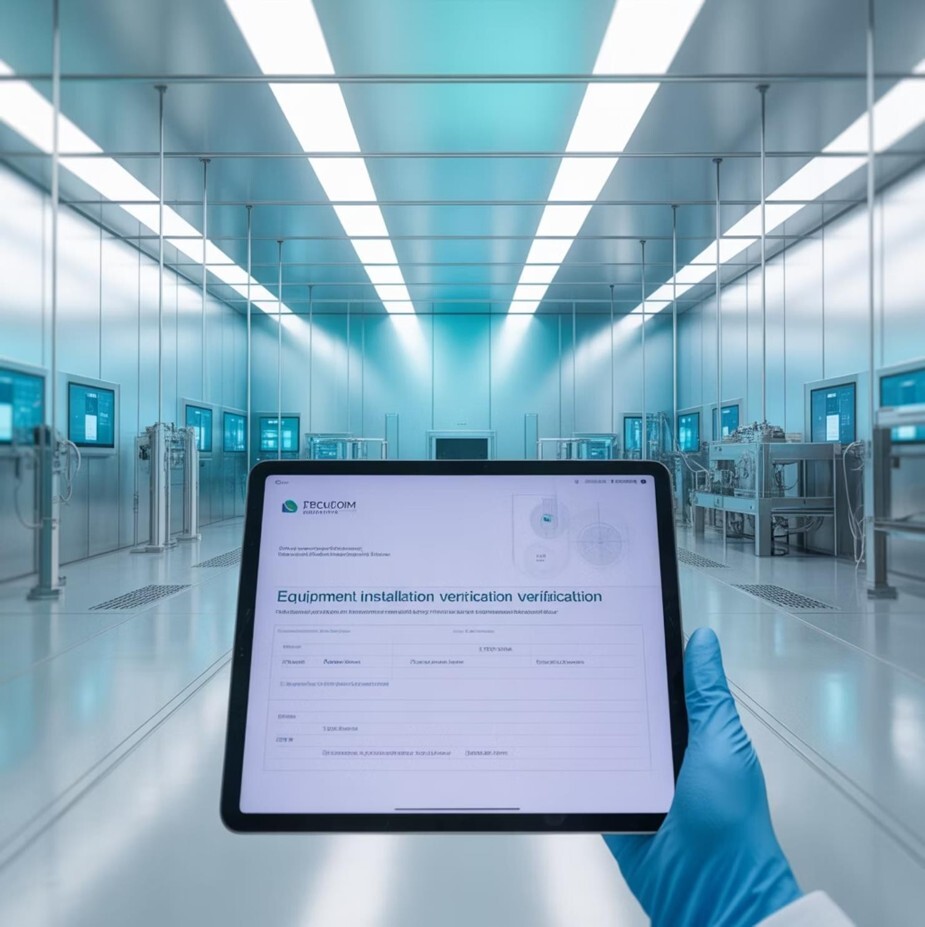
Tailored cleanroom training program serves multiple high-tech industries, including:
Pharmaceuticals & Biotechnology – GMP Annex 1-compliant validation for sterile drug manufacturing and biologics production.Electronics & Semiconductors – ISO Class 1-5 validation with sub-micron particle control and electrostatic discharge protection.
Medical Devices – ISO 13485 qualification for implantable and diagnostic device manufacturing.
Battery Manufacturing – Ultra-dry cleanroom validation for lithium-ion cell assembly and electrode processing.
Food Processing – FDA cGMP and FSSC 22000-compliant validation for hygienic production and packaging.
Aerospace & Defence – Mission-critical validation for satellite, optical, and propulsion component manufacturing.